February 2023

Higher Pension Costs, Earnings Hits Loom as Interest Rates Rise

Telecommunications giant AT&T Inc. cautioned investors this quarter about a rising corporate cost would ding its full-year earnings guidance. The culprit was pensions, and in particular, higher interest rates affecting its calculation to tally pension costs.   The company said it expected adjusted earnings per share in the range of $2.35 to $2.45—a range that trailed analyst estimates—because of nearly 20 cents per share of “headwinds associated with non-cash pension costs,” Chief Financial Officer Paschal Desroches said on the company’s fourth...


January 2023

The Effect of Required Minimum Distributions on Intergenerational Transfers

By: Jonathan M. Leganza How do households use retirement savings accounts in retirement? The answer to this question is important for tax policy pertaining to retirement savings. I shed light on this question by studying how households respond to Required Minimum Distribution (RMD) regulations, which mandate withdrawals from retirement accounts upon reaching a specified age. Using data from the Health and Retirement Study and a regression discontinuity design, I estimate the causal effects of aging into RMD regulations. First, I...

November 2022

Preparing for Retirement Reforms

By Karen E. Smith, Eugene Steurele, Damir Cosic Each of the three pillars of the US retirement system—Social Security, employer pensions, and private savings—suffers from serious problems that could threaten the financial security of future retirees. Social Security is at risk of becoming insolvent. If policymakers fail to act, Social Security benefits will be cut by about 25 percent starting in 2035, and even with reform, some combination of a slowdown in benefit growth for retirees and higher taxes on...

October 2022

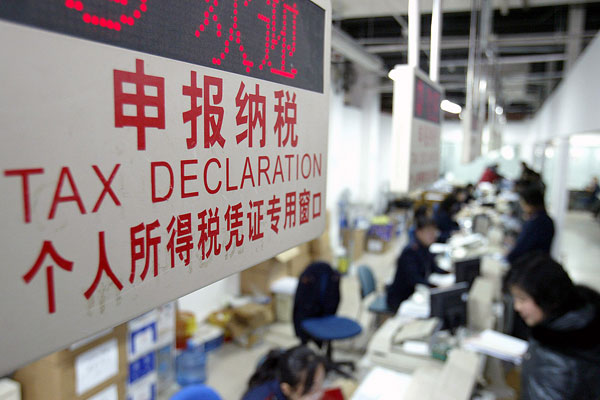
Tax cuts for China’s private pension scheme likely to lure participants as financial institutions vie for market share

Tax on withdrawal of funds is down to 3 per cent from 7.5 per cent, a move likely to drive participation according to analysts However, the new tax rates may have little immediate impact given the relatively small size of the taxpayer population New favourable tax policies will encourage more people to participate in China’s forthcoming private pension scheme, analysts said, as Beijing strives to ease the financial strain of a rapidly ageing population. The tax cuts, announced last week, may also...

September 2022

China to allow deferrals of gov’t-levied charges, tax concessions for private pensions

China will allow market entities to defer payments of certain government-levied charges to further reduce financial burdens, and offer tax concessions for private pension schemes, according to a State Council executive meeting. At the meeting, chaired by Chinese Premier Li Keqiang on Monday, decisions were also made to enhance government services, ensure a bumper autumn harvest with improved rural infrastructure, and promote the development of the self-employment sector. Payments of certain government-levied charges and deposits will be temporarily deferred to further...

Three Ways to Fix Latin America’s Public Finances

A former finance minister of Paraguay argues that feasible reforms can yield important results. Governments in Latin America and the Caribbean are facing a perfect storm of economic and social conditions as they seek to accelerate their post-pandemic recovery. Vulnerable communities need more help in the face of rising inequality and poverty. Health, education and other services need more resources. Governments must find a way to grow equitably and sustainably amid rising inflation, weaker world demand and high debt levels. The...

July 2022

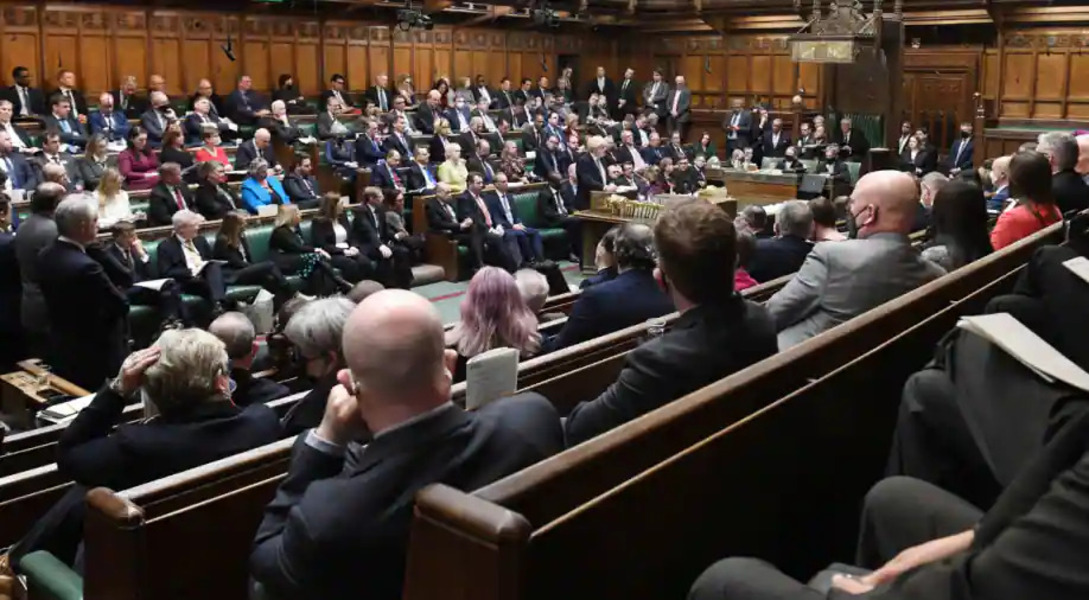
UK. MPs back tax return solution for self-employed retirement savings

The All-Party Parliamentary Group on Financial Resilience has thrown its weight behind using the tax system to help the self-employed save for retirement. In a report analysing general financial resilience during the coronavirus pandemic, launched on July 18, the group called for the government to “co-ordinate an approach to improving pension saving in under-pensioned groups”. “This should involve an equivalent of automatically enrolling the self-employed into saving through the tax system,” it said. The APPG also called for an increase in take-up...

June 2022

Would the Securing a Strong Retirement Act Secure More Retirement Equity?

By Albert Feuer On March 29, 2022 the House approved H.R. 2954 that is titled the Securing a Strong Retirement Act of 2022 (the SECURE Act 2.0) by a vote of 414-5. On May 26, 2022, a discussion draft of the Retirement Improvement and Savings Enhancement to Supplement Healthy Investments for the Nest Egg (RISE & SHINE) Act of 2022 was released by the Senate Health, Education, Labor, and Pensions Committee Chair Senator Patty Murray (D-WA), and Ranking Member Senator Richard...

Would the Securing a Strong Retirement Act Secure More Retirement Equity?

By Albert Feuer On March 29, 2022 the House approved H.R. 2954 that is titled the Securing a Strong Retirement Act of 2022 (the SECURE Act 2.0) by a vote of 414-5. On May 26, 2022, a discussion draft of the Retirement Improvement and Savings Enhancement to Supplement Healthy Investments for the Nest Egg (RISE & SHINE) Act of 2022 was released by the Senate Health, Education, Labor, and Pensions Committee Chair Senator Patty Murray (D-WA), and Ranking Member Senator Richard...

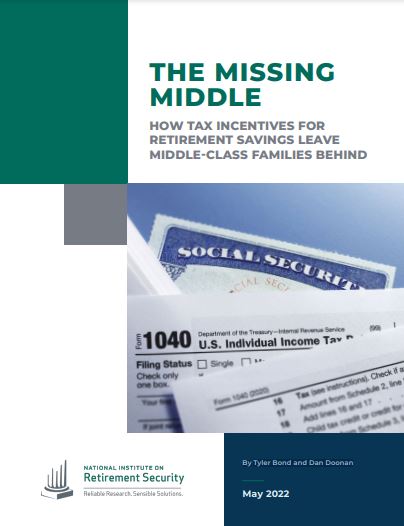
The Missing Middle. How Tax Incentives for Retirement Savings Leave Middle-Class Families Behind

By Tyler Bond and & Doonan Saving for retirement is one of the biggest financial challenges most working Americans will face. While the vast majority will participate in Social Security, most will have less than half of their income replaced by Social Security in retirement. Therefore, many workers also will need to save for retirement through other plans, such as an employer-provided defined benefit pension plan or 401(k) plan, or on their own through an Individual Retirement Account (IRA). Congress...