September 2022

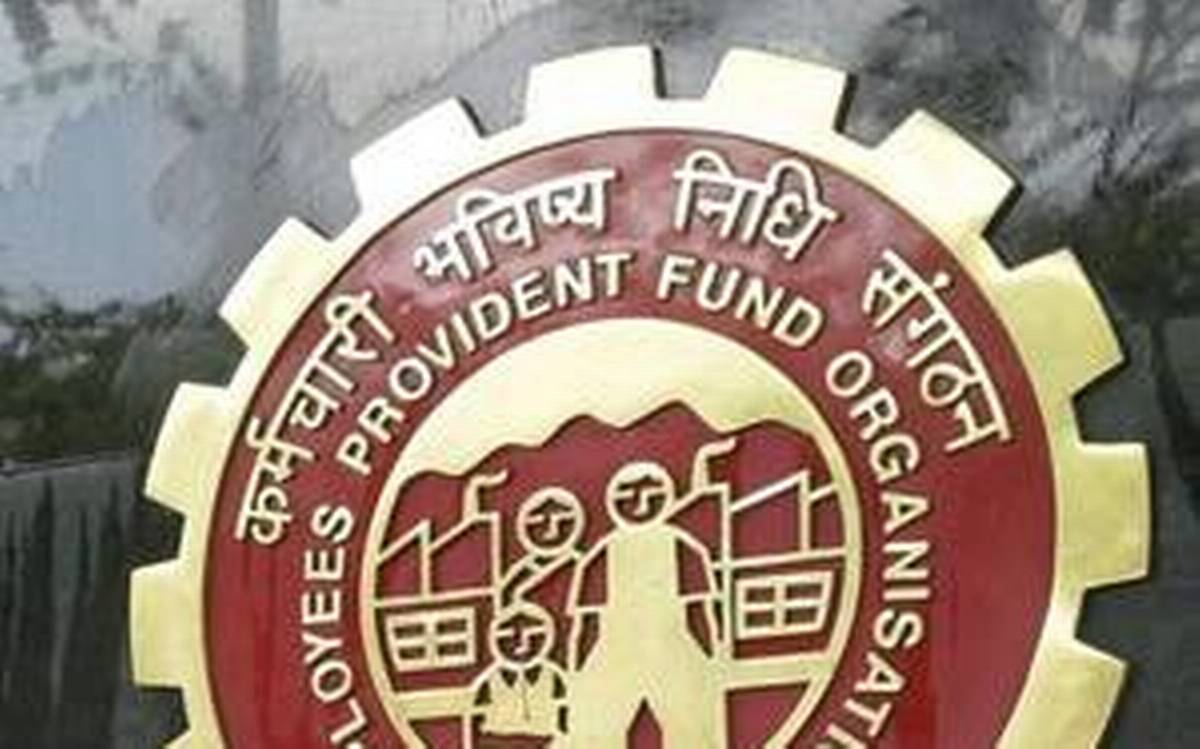
India. Universal Pension Scheme: New EPFO scheme may cover unorganised workers

If the scheme gets approved, the unorganised sector workers will put in a fixed amount with a flexibility of making voluntary payments. The Employees’ Provident Fund Organisation (EPFO) may extend its pension scheme to workers from both organised and unorganised sectors, irrespective of their monthly income, the Financial Express reported. The proposed scheme is likely to be based on individual contribution. The government, through this scheme, seeks to ensure a minimum pension of Rs 3,000 a month after reaching 60 years...

August 2022

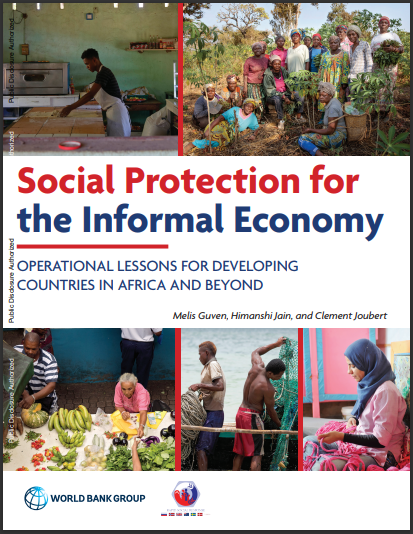
Social Protection for the Informal Economy. Operational Lessons for Developing Countries in Africa and Beyond

By Melis Guven, Himanshi Jain, & Clement Joubert The informal economy in Africa is large and diverse, and it is the main source of employment in the region. It is projected to grow and create more jobs. The informal economy is well established in the region, but it also faces a host of development challenges. It is characterized by low human capital and productivity compared with the formal economy and is typically associated with limited access to resources such as electricity, finance,...

July 2022

Seven Economic Facts About the U.S. Racial Wealth Gap

By Kristen Broady, Darlene Booth-Bell & Taylor Griffin Using data from the 2019 Survey of Consumer Finances and the U.S. Census Bureau, along with data and research from other sources, this paper presents seven economic facts about the racial wealth gap in the U.S. We present data on racial disparities in income, employment, homeownership, education, access to credit, and retirement savings – all factors that contribute to a significant and persistent gap in net worth between households of different races...

June 2022

Bulgarian minimum pension will rise in July

Parliament finally approved the minimum pension to reach BGN 467 (EUR 240) as of July 1st. From this date, the maximum pension rises to BGN 2,000 (EUR 1,026). From October 1, the ceiling will rise once again - this time to BGN 3,400, which is the amount of the maximum insurance income. After parliament finally approved an increase in the minimum and maximum pensions from July 1st, Social Policy Minister Georgi Gokov confirmed that payments for the increase are still likely...

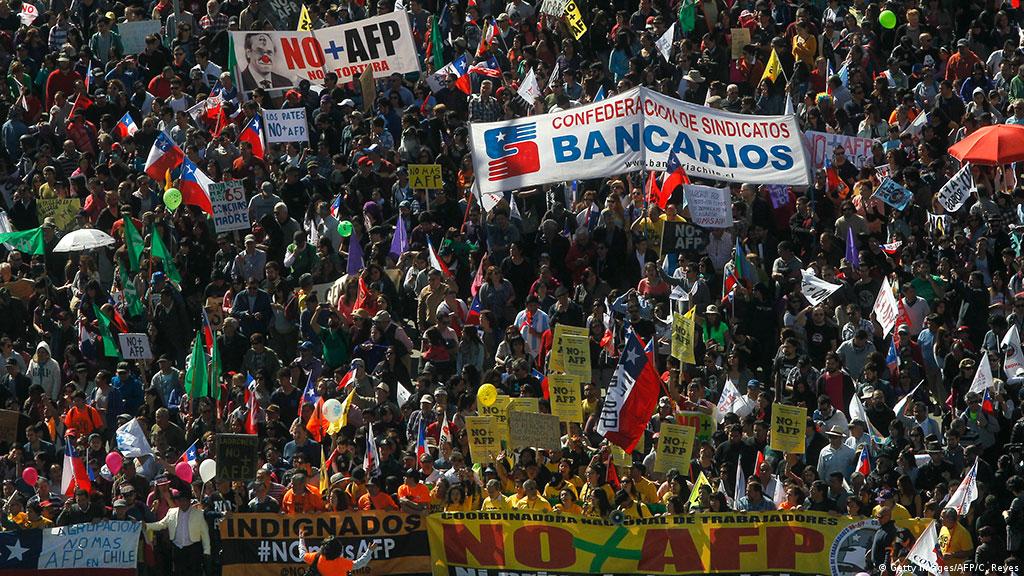
The Effects of the Minimum Pension Reform in a Defined Contribution Pension System: The Case of Chile

By Jorge Sabat Using longitudinal data on roughly 16,800 low-income workers, I estimate the effects of a reform that introduced a solidarity pillar on the Chilean defined contribution pension system. I specifically test for a negative effect on the propensity to save for retirement that would have arisen from the disincentives caused by the introduction of an implicit tax on pension savings, as predicted by a theoretical life-cycle model. Empirically, I document a negative and significant effect on the propensity...

May 2022

New measures to support pensioners amid inflation crisis in the UK

Chancellor Rishi Sunak has unveiled a new £15bn emergency package of measures to support households through the cost of living crisis but some pensioners risk missing out. The government said pensioner households will receive an extra one-off Pensioner Cost of Living Payment of £300 to help with their bills and living costs, while more than 8 million low-income households on means tested benefits – which includes those receiving Pension Credit – will receive a one off £650 payment. “While this is...

Assessing Heterogeneity in the Health Effects of Social Pensions Among the Poor Elderly: Evidence from Peru

By Noelia Bernal Lobato, Javier Olivera & Marc Suhrcke This paper exploits the discontinuity around a welfare index of eligibility to assess the heterogeneous health impacts of Peru's social pension program Pension 65, which focuses on elderly poor individuals. The heterogeneity is analysed in terms of the treatment exposure (short vs long run), the accessibility to health care infrastructure (near vs distant facilities), and gender. We find improvements in anaemia, mortality risk markers, cognitive functioning, mental health, and self-reported health....

April 2022

Homeless Population Aging in Japan

The proportion of homeless people aged 70 or over in the total homeless population in Japan surged to 34.4 pct in 2021 from 19.7 pct in 2016, a welfare ministry survey has found. The survey on people without housing, held about every five years, also showed that the average age of homeless people rose by 2.1 years to 63.6 years. In the survey, conducted in November 2021, homeless people in Tokyo's 23 special wards, ordinance-designated major cities and other cities were...

US. America's Senior Homeless Population is Growing as More Retire on Streets

US. Senior Homeless Population is Growing as More Retire on Streets

Karla Finocchio's slide into homelessness began when she split with her partner of 18 years and temporarily moved in with a cousin. The 55-year-old planned to use her $800-a-month disability check to get an apartment after back surgery. But she soon was sleeping in her old pickup protected by her German Shepherd mix Scrappy, unable to afford housing in Phoenix, where median monthly rents soared 33% during the coronavirus pandemic to over $1,220 for a one-bedroom, according to ApartmentList.com. Finocchio is...

March 2022

Fiscal Challenges and Inclusive Growth in Ageing Societies. OECD Economic Policy Paper

By OECD This paper was prepared in support of Japan’s G20 Presidency. It takes stock of ongoing and projected population ageing across G20 economies and its far-reaching implications for economic growth, productivity, inequality within and between generations and the sustainability of public finances. Rising old-age dependency ratios will put the financing of adequate pensions, health and long-term care under high pressure. The paper provides recommendations on policy responses to address ageing-related challenges and highlights good practices. A comprehensive approach is needed,...