January 2023

Older Adults and Technology Use

By: Aaron Smith America’s seniors have historically been late adopters to the world of technology compared to their younger compatriots, but their movement into digital life continues to deepen, according to newly released data from the Pew Research Center. In this report, we take advantage of a particularly large survey to conduct a unique exploration not only of technology use between Americans ages 65 or older and the rest of the population, but within the senior population as well. Two different groups of older Americans...
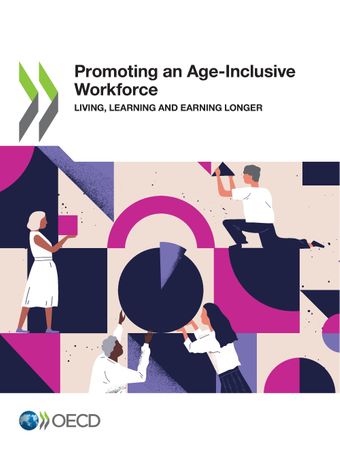
Promoting an Age-Inclusive Workforce

All OECD economies are undergoing rapid population ageing, leading to more age diversity in workplaces than ever before as people are not only living longer but working longer. Greater diversity of experience, generations and skills gives employers an important opportunity to harness the talent that different age groups bring to the workplace and improve productivity and profitability. What can employers do to maximise the benefits of a multigenerational workforce? This report presents a business case for embracing greater age diversity...

Towards construction of comprehensive care systems in Latin America and the Caribbean: ELEMENTS FOR IMPLEMENTATION

By ECLAC The Latin American and Caribbean region is experiencing an unprecedented economic and social crisis. The effects of the coronavirus disease (COVID-19) pandemic have spread to all spheres of human life, hurting economies, changing the way we interact, and causing extensive societal changes. The crisis has highlighted and exacerbated structural gaps, deepening pre-existing inequalities and exposing the vulnerabilities of political, economic, and social protection systems. The onset of the crisis magnified the structural challenges of gender inequality, reversing much...

December 2022

Inferring Occupation Arduousness from Poor Health Beyond the Age of 50

Inferring Occupation Arduousness from Poor Health Beyond the Age of 50

By: Vincent Vandenberghe In the absence of a direct description of occupation arduousness, this paper shows how it can be inferred from poor health beyond the age of 50. Using retrospective lifetime data from the Survey of Health, Ageing and Retirement in Europe (SHARE) including the respondents’ professional career described with ISCO 2-digit, this paper finds a statistically significant link between many occupations and the risk of poor health beyond the age of 50. Next, we quantify the relative contribution...

Intergenerational Solidarity

By Alan Gutterman Aging is a natural progression of the life cycle and society will always have persons of different ages who need to learn to live alongside one another. One of the most consistent themes in the debate regarding the realization of the human rights of older persons is the need to strengthen “intergenerational solidarity” between and among all levels of families, communities and nations in order to achieve social cohesion and a society for all ages and build...

November 2022

Cognitive Abilities, Self-Efficacy, and Financial Behavior

By Ning Tang This paper investigates the effect of cognitive abilities on financial behavior among older adults. Using the longitudinal dataset of the Health and Retirement Study, I find that cognitive abilities significantly affect financial behavior through two channels: ability and self-efficacy. People with higher cognition scores, who presumably are more capable of processing information and analyzing problems, achieve better financial outcomes. This positive association is especially strong in tasks having high demand of cognitive ability, which confirms the ability...

Older Persons’ Rights to Social Security

By Alan Gutterman Article 22 of the Universal Declaration of Human Rights provides that “[e]veryone, as a member of society, has the right to social security”, and Article 9 of the International Covenant on Economic, Social and Cultural Rights (“ICESCR”) calls on States to “recognize the right of everyone to social security, including social insurance”. In its General Comment No. 19 on the right to social security released in 2008, the Committee on Economic, Social and Cultural Rights (“CESCR”) explained...

October 2022

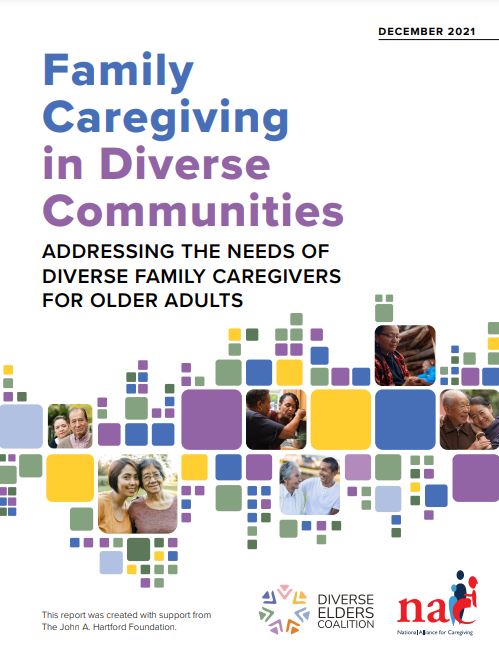
Family Caregiving in Diverse Communities – Addressing the needs of diverse family caregivers for older adults

By Diverse Elder Coalition & National Alliance for Caregiving WHO WE ARE This report is the product of a series of activities conducted by the Diverse Elders Coalition and its member organizations, and in partnership with the National Alliance for Caregiving, to better understand and highlight the lived experiences of diverse family caregivers for older adults. Founded in 2010, the Diverse Elders Coalition (DEC) advocates for policies and programs that improve aging in our communities as racially and ethnically diverse people;...

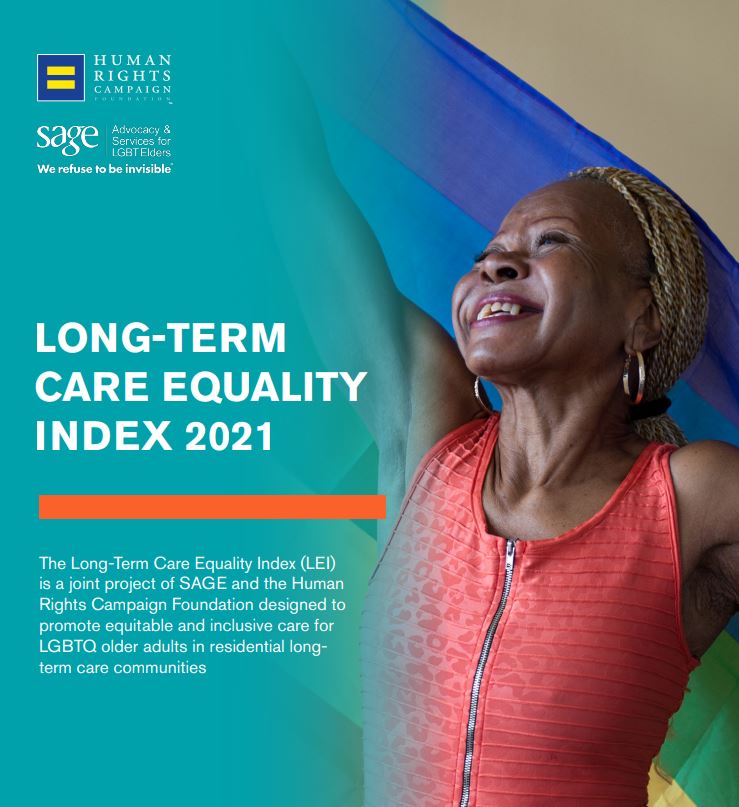
Long-term care equality index 2021

By SAGE Try as we might, we may never fully process and adequately convey what we, people working in long-term care communities and hospitals, have experienced during these past fifteen months. But just like the virus which we cannot see but has nonetheless turned our world upside down, even though we cannot see what has happened to us and others from within, we carry our experiences, and their effects on us, in our heart, mind, body, and spirit. In the...

Intergenerational Solidarity

By Alan Gutterman Aging is a natural progression of the life cycle and society will always have persons of different ages who need to learn to live alongside one another. One of the most consistent themes in the debate regarding the realization of the human rights of older persons is the need to strengthen “intergenerational solidarity” between and among all levels of families, communities and nations in order to achieve social cohesion and a society for all ages and build...